Blog
What we learn running the admin of real companies, every day: what works, what breaks, what we do differently.

AI adoption is a fairy tale. What counts is how much work gets done on its own
In every company only a few people really use AI, and that will not change. Why the adoption percentage misleads, and which number to look at instead.
AI in administration: the two wrong roads and the one that works
Giving everyone an assistant, or buying a program for every task: both disappoint. What works is one layer on top of the systems you already use, doing the connecting work.

Five administrative jobs AI can do on its own
Not the new ERP and not the finance brain of the future: the connecting work between systems, which people do today. Exceptions, month-end close, reconciliations, reminders, documents for the accountant and the auditor.

Six things to know before putting an AI agent to work in a company
Agents are not magic, and they are not 'build, automate, cash in'. Context, multiplication, memory, exceptions, the economics of made-to-measure and timing: what counts for an agent to really work, not only in demos.

Nobody in a company wants to learn another program. They want the work done
AI projects fail because they ask people to adopt a tool. What changes when the AI works where the work already happens: in email, in the ERP, in the bank.

532 years of double-entry bookkeeping. What if the problem is the protocol?
A Venetian friar wrote down the rules of accounting in 1494. We still use them today, unchanged: here is why the month-end close exists and what changes when software stops merely copying faster.

Mechanical software is over. The next kind learns, adapts and repairs itself
For fifty years we built business systems like machines: fixed parts, fixed answers, and people to fill the gap. What changes when software can read, learn from corrections and keep the reasons next to the numbers.

The 500-year-old bug in accounting: every month we delete the why behind the numbers
The month-end close squeezes thousands of facts into a few lines of accounts and throws the context away. Why it has happened for centuries, why it is hard to avoid, and how to keep the why attached to every number.
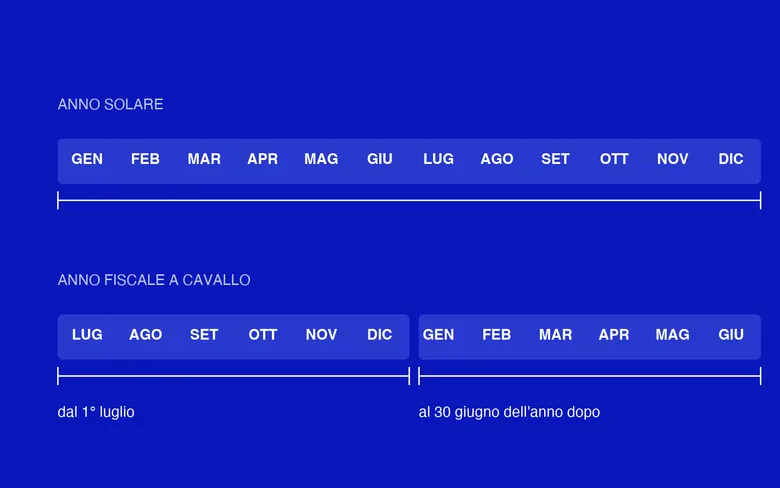
What a fiscal year is, and when it pays not to match the calendar year
A company's fiscal year does not have to run from January to December. What Italian law says, who can choose, when a split fiscal year makes sense, and what changes for accounts, taxes and VAT.